


Ecommerce Keyword Research: Mastering the Art for Online Sales

Boosted Build

E-commerce Domination: Mastering Keyword Research for Online Sales
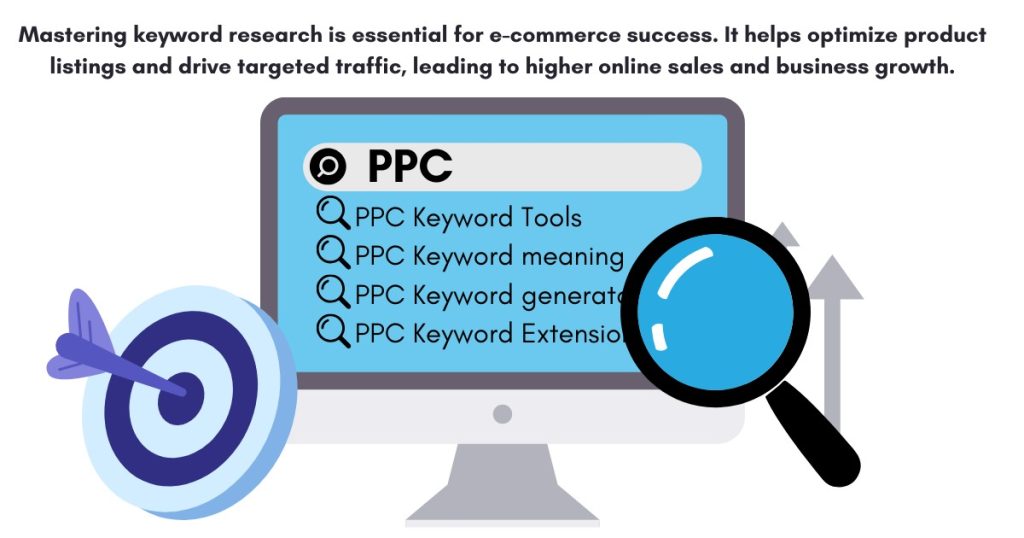
In the most outrightly competitive world of e-commerce, sitting right at the top of SERPs is the prime motto. Keyword research lies at the core of any such effective SEO strategy that is to attract relevant visitors and convert them into customers. Ecommerce Keyword Research is essential for identifying high-value terms that drive targeted traffic.
At Boosted Build, we know a thing or two about getting e-commerce businesses on the high-level. In this blog, we’re going to explore some of the best practices for e-commerce keyword research so you can find the right ones and enhance your online sales.
Understanding Ecommerce Keyword Research Nuances
Researching e-commerce keywords requires a strategic approach different from traditional SEO:
Product-Centric Focus:
The kind of keywords that need to be focused on are those related to the products you are selling. This includes brand names, model numbers, and their respective features.
User Intent Deciphering:
It’s also important to note the intent of the user behind the search query: Are they looking around and comparing, or are they ready to buy? Optimisation must occur at the various stages of buying.
Long-Tail Keyword Prioritisation:
Long-tail keywords have far less competition but much higher purchase intent. Users who specifically seek out variations of something are likely to be ready to buy.
Competitor Keyword Analysis:
Analyse your competitors’ keyword strategy to unveil any gaps and potential opportunities to target high-value keywords that they may be missing.
Essential Steps for Effective E-commerce Keyword Research
Below is a roadmap on how to do e-commerce keyword research in a manner that helps you really succeed in online sales:
Brainstorm Seed Keywords:
First, list your core keywords with regard to product categories, brands you carry, and relevant product features. Consider how users might search for the products you sell.
Utilise Keyword Research Tools:
You can either leverage e-commerce focused keyword research tools or more popular ones like Google Keyword Planner, Ahrefs Keywords Explorer, or SEMrush Keyword Magic Tool. They help in gauging search volume, competition level, and related keyword suggestions.
Focus on Informational & Transactional Keywords:
Find a balance in your keyword strategy between informational keywords that users use while researching—”best laptops for students”—and transactional keywords used closer to purchase—”buy Dell XPS 13″.
Uncover Long-Tail Gems:
Target long-tail keywords that have lower competition but indicate purchase intent, such as “Buy noise-canceling wireless headphones with long battery life” instead of just “headphones.”
Analyse Competitor Keywords:
Use competitor analysis tools to find out your competitors’ keyword strategies. Identify what keywords they rank for and realise opportunities targeting relevant terms with less competition.
Incorporate Product Reviews and Comparisons:
Sprinkle it with adjectives related to product reviews and comparisons, such as “Sony A7 IV vs Canon R5.” Individuals searching for the former will likely be in the later buying stages and thus highly valued targets themselves.
Optimising Your E-commerce Website for Targeted Keywords
Now that you have a list of keywords, the next step will be to cohesively implement them on your e-commerce website:
Product Page Optimisation:
Incorporate target keywords naturally throughout product pages, including titles, descriptions, and meta descriptions.
Category Page Optimisation:
Optimise category pages with relevant keywords for better discoverability in your range of products.
Informational Blog Content:
Generate informational blog posts targeting informational keywords about your products. Educate users; set up the company as an industry leader.
The Ongoing Journey of E-commerce SEO
E-commerce SEO is a continuous process, and monitoring adaptation is its integral part:
Track Your Keyword Rankings:
Understand how well your website is doing with regard to your target keywords over time. This way, you can specify the areas for improvement and redo your strategy.
Stay Updated on Search Trends:
Search engine algorithms and user behaviours continuously evolve. Stay current with what goes on in the industry and join algorithm updates so that your website always comes out optimised under the most recent ranking factors.
Adapt and Refine Your Strategy:
From time to time, revise your keyword research in the development of new product offerings or as the industry trend changes in order to further zero in on target keywords and keep an effective content strategy for long-term SEO success.
Conclusion: The Key to E-commerce Growth
Following ecommerce keyword research best practices can help you power relevant traffic, convert visitors into customers, and increase your online sales to new heights.
Our time-tested e-commerce SEO specialists at Boosted Build will guide you through the whole process, from in-depth keyword research to analysis of competitor strategies and establishment of data-driven SEO that places your products on the first pages of search engine results. Call us today and let’s discuss how we will make your online e-commerce business thrive.