


Avoiding Keyword Research Mistakes: Tactics for Effective SEO

Boosted Build

Keyword Catastrophe Averted: Avoiding Common Mistakes in Keyword Research
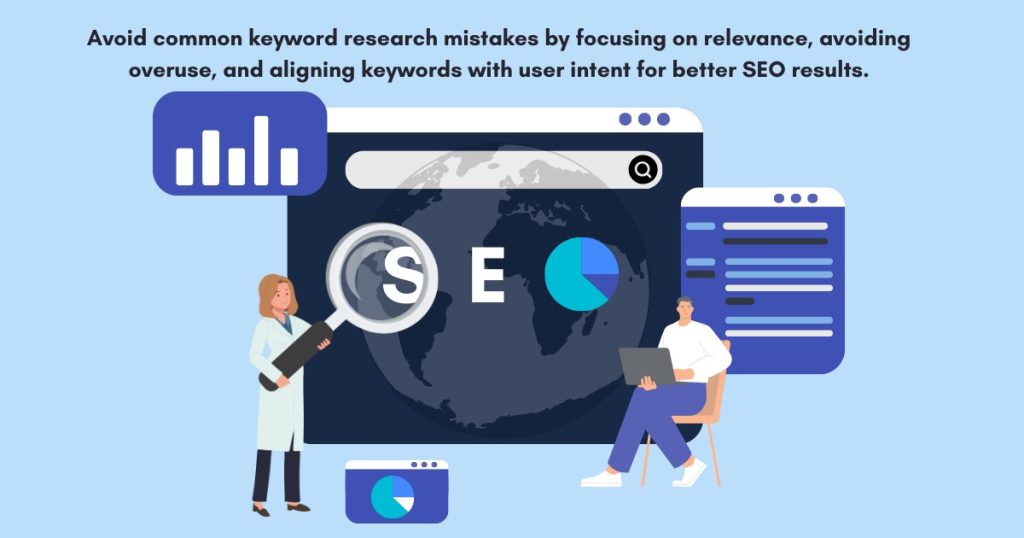
Keyword research forms the basis for any successful SEO approach. However, even if you have good plans, they can fail. At Boosted Build, we believe in arming your business with real SEO. In this blog post, we’re going to open up some common pitfalls of keyword research and arm you with what you need to know to avoid these common traps so that your website really can be visited by people and flourish in SERPs. By focusing on Avoiding Keyword Research Mistakes, you can create a more effective SEO strategy that truly resonates with your target audience.
Mistakes That Can Hinder Your SEO Strategy
Unless identified and worked on, a number of critical mistakes can hamper your SEO effort. Avoiding Keyword Research Mistakes is essential for ensuring that your SEO strategy is effective and capable of driving the right traffic to your website.
Obsessing Over Search Volume Alone:
Search volume alone isn’t the deciding factor. Focus on keywords that are very relevant to your target audience and your offerings, even if the search volume may be a little lower. If you aim for high volumes of irrelevant keywords, this attracts the wrong users and has created very few conversions.
Neglecting User Intent:
Not only the keywords but probe deep to find out what exactly is the user intent behind every search query. Are they looking for information, researching products, or about to make a purchase? Optimising your content for the purpose or intention behind your target keywords is most important if you want to attract users with interest that’s true in your offerings.
Ignoring Long-Tail Keywords:
Because they are more specific, with fewer competitors, long-tail keywords may be very high in value. The user searching for long-tail variations tends to stand much closer to making a purchase, hence is more likely to convert. The importance of long-tail keywords in your search engine optimisation plans should not be underrated.
Failing to Consider Local SEO:
This can be an expensive mistake, missing location-based keywords when your business is operated locally. Add in the names of cities or regions when researching keywords to make sure that your website appears high in local SERPs for relevant searches.
Underestimating the Power of Competitor Analysis:
Your competitors have a lot to teach you. Use keyword research tools to see what keyword strategies they are implementing. Find out which keywords they rank for, and then find some relevant terms they may not be targeting. This can help you have an edge over them regarding search engine ranking.
Keyword Stuffing and Unnatural Optimisation:
While that is important, consider user experience over how one can fit the keywords. Stuffing your content with keywords or unnatural forcing of keywords results in spammy bids, causing negative impacts on website ranking.
Neglecting Mobile Optimisation:
With most searches now done via mobile devices, ensuring the mobile-friendliness of your website is paramount. Technical SEO aspects, like fast loading speed and a responsive design of the website, are important in the success of ranking.
Taking Action: Implementing Effective Keyword Research Practices
Here’s how you can fine-tune your keyword research approach and have your website optimised for success:
Focus on Relevance and User Intent:
Prioritise keywords most relevant for your offerings and the target audience. Understand exactly what the user is looking for when typing the keyword, and optimise the content accordingly.
Embrace Long-Tail Keywords:
Long-tail keywords are a crucial part of your keyword strategy, especially those with low competition but high conversion potential.
Conduct In-Depth Competitor Analysis:
Use any SEO tool to uncover your competition’s keyword strategy, where opportunities can be.
Prioritise User Experience with Natural Keyword Integration:
Integrate your keywords organically in the website content; avoid keyword stuffing totally.
Optimise for Mobile Devices:
Ensure that users are able to easily access your website from all devices, and primarily from their mobile phones.
Consistent Progress in Search Engine Optimisation
An important aspect to always remember about keyword research is that it is a continuous process. This is how you can be ahead in the race:
Monitor Your Keyword Rankings:
Track your website’s ranking for your target keywords over time. This will help you find out the spaces for improvement and, hence, reshape your strategy accordingly.
Stay Updated on Search Engine Algorithm Changes:
Keep up with changes in algorithms to align your website with the best ranking factors in place since search engine algorithms are updated with regularity.
Refine Your Keyword Strategy Over Time:
Review your keyword research every so often when your business grows and the industry landscape changes so you can adjust your target keywords accordingly along with your content strategy.
Conclusion: Mastering the Art of Keyword Research
You can unlock the full potential of SEO and take your website to the top of SERPs by avoiding common pitfalls and/or with the application of effective keyword research practices.
Here at Boosted Build, our team of SEO specialists is able to guide you through the whole process. We can do complete keyword research, competitor strategy analysis, and work out an SEO plan driven by data for your site. Want to talk about your SEO goals? Contact us today and let’s discuss how we can work together to inscribe the success at the forefront of this ever-evolving landscape of search engine optimisation.