


Breadcrumb Navigation: A Game-Changer for SEO

Boosted Build
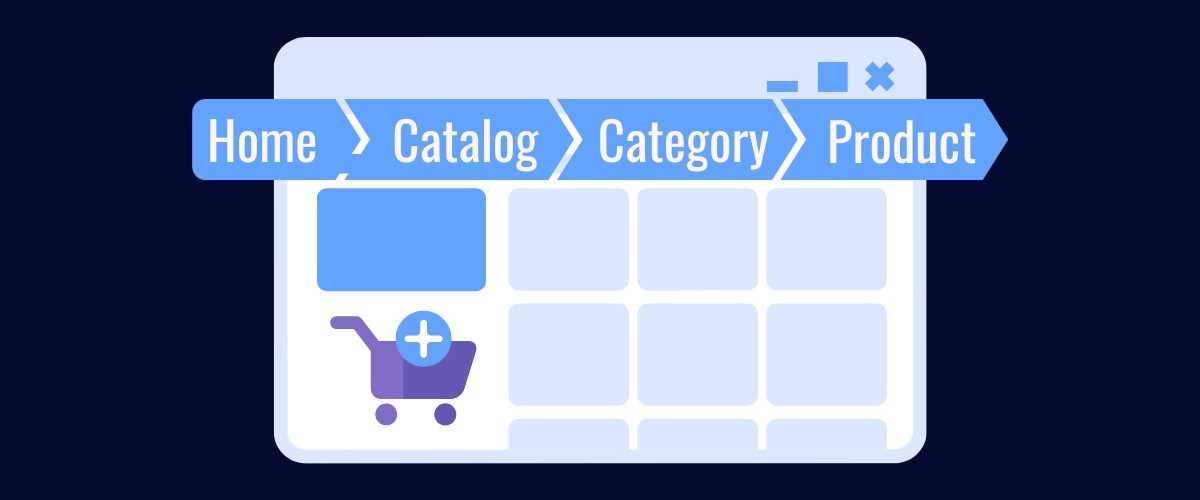
When it comes to SEO, every minute details and micro factors make an impact. One of those important elements is called “Breadcrumb Navigation”, that’s crucial for enhanced navigation. It directly benefits search engines like Google or Bing as they easily crawl throughout your site if breadcrumb navigation trail is implemented.
But how you can maintain your website flow with breadcrumb navigation and leverage them effectively. So in this blog, we’ll learn about breadcrumb navigation and why it’s necessary for SEO and what are the strategies you can take to implement them properly.
What is Breadcrumb Navigation?
A secondary navigation system that shows users their current page within a website’s hierarchy is called Breadcrumb Navigation. It usually appears at the top of the page right or left along enabling users to trace content hierarchy navigation back and forth among the pages with ease. Breadcrumb navigation hierarchy example can be look like this:
Home > Category > Subcategory > Current Page
For search engine breadcrumb navigation helps them in managing and organizing content making it simple for crawlers to navigate an index throughout your site. For users it provides a route or link trail to quickly navigate to previous pages making the overall browsing experience joyful.
Why is Breadcrumb Navigation Important for SEO?
1. Improves Crawlability
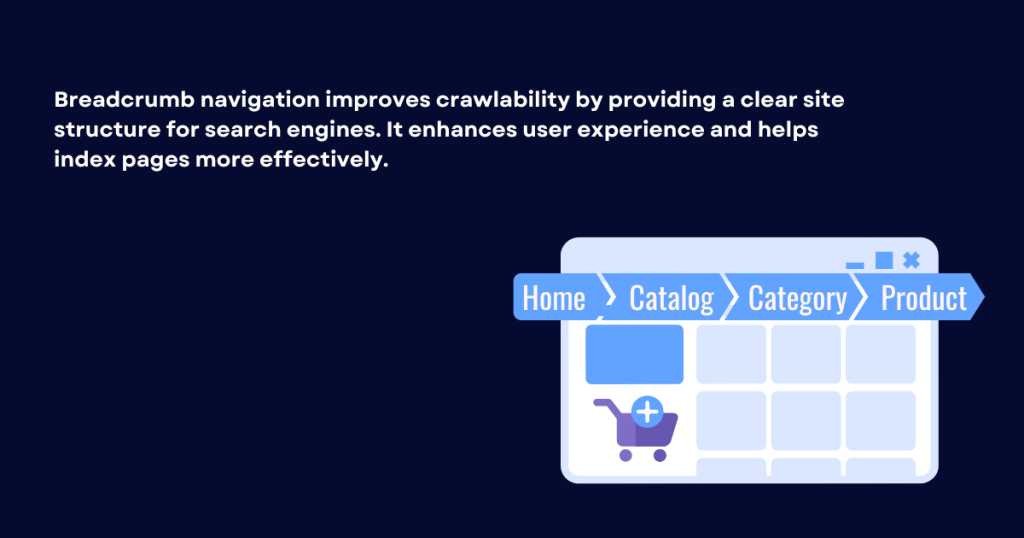
Breadcrumb navigation seems like a map for search engine crawlers/spiders. It assists them to understand the structure of your website content and the relationship between different pages. When your website is easy to understand and crawl, search engines can index more content on your site which could make a positive impact on your rankings and on user engagement.
2. Enhances User Experience
From a usability perspective, breadcrumbs make your site more interactive and intuitive. Users can quickly jump back to broader categories without the need for excessive clicking. This reduces bounce rates and increases the likelihood of users exploring more pages.
3. Increases Page Visibility
In SERPs along with title or meta descriptions breadcrumbs are also displayed. The integration of breadcrumb navigation in your website can maximize the chances of having rich snippets that display your content more efficiently in search results.
7 Best Strategies for Breadcrumb Navigation
1. Implement Breadcrumbs Across Your Entire Website
The first strategy is to make sure that breadcrumbs are consistent throughout your website. By doing so you enable easier navigation and easy-to-understand the site’s structure for users and search engines. Multiple types of pages like blog page, product page or services page should’ve their own breadcrumb navigation trail.
Moreover, breadcrumb navigation provides search engine crawlers with a clear map or path to follow, assisting them index content more effectively.
2. Use Schema Markup for Breadcrumbs
Implementation of structured data (Schema Markup) can enhance the SEO benefits of breadcrumb navigation. To make search engines understand breadcrumb structure more clearly, you can add schema markup that causes better visibility in SERPs.
After adding breadcrumbs with structured data, search engines display breadcrumb links directly in search results, improving your content viability and making users easily understand “WHAT THEY NEED” just by glance.
3. Prioritize the Most Important Pages
While it’s crucial to have breadcrumb navigation across all pages, consider prioritizing important or high-traffic pages in the breadcrumb hierarchy. For instance, if you have an eCommerce website, product pages might follow the structure:
Home > Category > Subcategory > Product
By clearly placing products within relevant categories, both users and crawlers can better understand the importance and relationship of the pages.
4. Avoid Overloading with Too Many Levels
We know breadcrumbs are useful but we should also make them simple and not go overboard with two many levels. Breadcrumb trails with massive levels of hierarchy can confuse users and minimize the effectiveness of navigation or making click paths too complicated. .
As for practice, go for breadcrumbs levels that include three to four stages. By the implementation of this practice you can make a bread crumb that’s clear, concise and user friendly. The goal is to guide the user not to frustrate them with multiple choices. For instance:
Home > Category > Subcategory > Current Page
Limiting breadcrumb depth will also ensure that search engine crawlers can index and understand your content more effectively.
5. Make Breadcrumbs Clickable
Breadcrumbs should be fully functional and clickable, allowing users to return to previous pages with a simple click. Avoid static breadcrumbs where users can only see the path but cannot interact with it. A clickable breadcrumb structure improves usability and ensures users can navigate your website easily.
For optimal user experience, use a breadcrumb trail that links each part of the navigation to its respective page. For example, the homepage should link to the homepage, category links should lead to their category pages, and so on.
6. Mobile-Friendly Breadcrumb Navigation
With more mobile usage these days, implementing breadcrumb navigation isn’t a skip option; it’s necessary now to make content more mobile-friendly. On different sizes of screens(basically small) breadcrumb navigation should be concise and easy to see without taking much space or making the user overwhelmed.
One effective strategy is to use dropdown or expandable menus for breadcrumbs on mobile devices. This ensures that breadcrumb navigation remains accessible and doesn’t clutter the user interface, all while maintaining its SEO value.
7. Use Clear and Descriptive Labels
The labels used in breadcrumbs should clearly describe the content of the page or category they represent. Using vague or unclear labels could confuse both users and search engines. Descriptive, keyword-rich labels are better for SEO and user experience.
For case, you’re using a generic “Product” label (basically past things), you need to be more specific like:
Home > Electronics > Mobile Phones > iPhone 15
By doing so, crawlers and search engines quickly understand and navigate throughout your content, which improves crawl ability and user satisfaction.
Conclusion
In short, Breadcrumb Navigation can be said to be a “micro factor” still a powerful element for easy navigation for new users and audiences. As it can also enhance user experience and results in lesser bounce rate and increased engagement. You can utilize this factor to make a search engine’s crawler to easily navigate your whole site making browsing more user friendly and enjoyable.
Just keep in mind, consistency, efficiency and usability are the primary factors to increase the revenue of your SEO efforts for it. If you implement above or more other strategies and do it right, this micro factor can make a large impact on your site’s crawl ability and also enhance overall rankings. Happy optimizing!