


Mobile-First Indexing: Optimizing Your Website for Success

Boosted Build

Conquer Mobile-First Indexing: 7 Powerful Strategies to Optimize Your Website
Remember a time when desktop computers reigned supreme on the internet? Those days are behind us. By 2023 with smartphone internet consumption overtaking desktop usage, Google began using mobile optimization to rank websites known as mobile first indexing.
Why Mobile-First Indexing Matters
Mobile-first indexing is not just some passing phase but rather a statement of fact about what SEO is today. Here is why mobile optimization is pivotal:
The Mobile Majority:
The vast majority of people use the internet via mobile devices. A lack of mobile-friendly design risks losing a large portion of your audience.
Search Engine Ranking:
In the search results, Google favours websites optimized for mobile. Consequently, a poor mobile experience can negatively affect your search rank and visibility.
Improved User Experience:
An uninterrupted experience on mobile devices not only retains users but also increases repeat visits. However, poor mobile navigation often causes users to divert more and close pages quickly.
7 Strategies to Conquer Mobile-First Indexing
After understanding the importance of optimizing for mobile devices, the next step is to discuss the details. Furthermore, diving into the specifics will help you implement effective strategies:
Embrace Responsive Web Design:
Regardless of the screen size, your site can adapt responsively with web design making it possible to experience high quality services on your mobile phone, computer or even tablets.
Prioritize Page Speed:
Mobile users crave snappy load times. Employ tools such as Google Page Speed Insights to discover where you can make improvements.
Simplify Navigation:
Remember that it is essential to maintain a website with clear, concise, but easy navigation for small devices. The importance of clear labeling and large buttons cannot be over emphasized if you want to ensure good user experience.
Optimize Images and Videos:
Large images can significantly slow down your web pages. To improve load times, resize and compress images while maintaining quality. Additionally, consider using LQTM for off-screen images to optimize performance.
Focus on Readability:
Test, Test, Test:
You can never just assume that your web page is mobile-friendly until you have run Google’s Mobile-Friendly Test alongside other tools used in testing to see if there could be some problems specifically with mobile platforms.
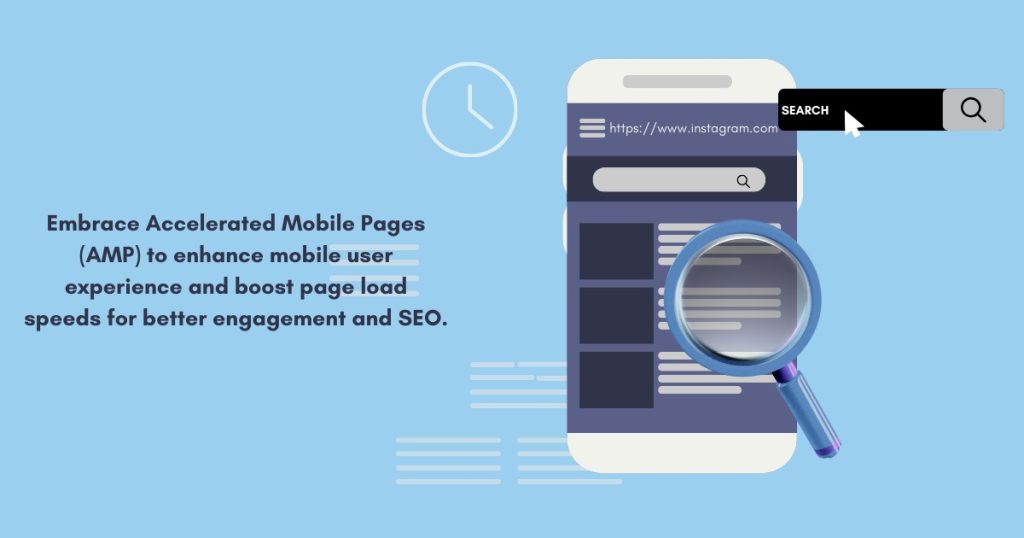
Embrace Accelerated Mobile Pages (AMP):
Consider, including AMP an open-source software framework that simplifies the process of converting web pages into faster-loading versions for use on mobile devices. Additionally, it enhances the speed and performance of your mobile site.
Conclusion
In 2023 and beyond, you cannot complete search engine optimization without optimizing your site for mobile-first indexing. When you adhere to these impactful tactics, your website will have an awesome mobile referential interface that makes users remain on the page and works well on mobile devices.
Do you want to improve your mobile optimization? Kindly let us know in the comments! Where do you see the main problems in your mobile site optimization journey?. In order for us to work together towards developing websites that are mobile-first, rank highly, and convert well, please feel free to share your stories and ask any questions you may have.